One such platform is Unvault, an AI-powered financial tool founded by Nidhi Singhvi. The platform allows users to upload photographs of their jewellery and receive estimated market values within minutes. The aim is to help consumers track, value and potentially sell personal jewellery with greater transparency.
According to Singhvi, many people have jewellery lying unused in drawers without knowing its actual value. Unvault positions jewellery as a personal asset class that can be tracked, evaluated and liquidated if required.
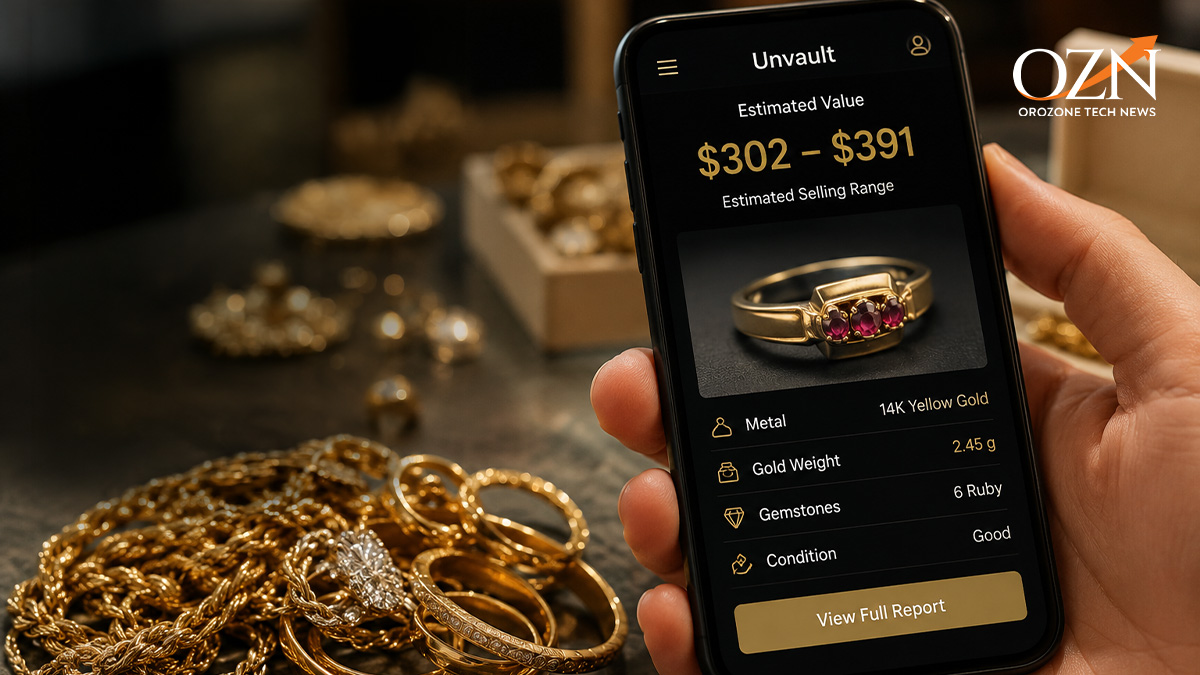
The platform works by converting jewellery images into volumetric data. Its AI model has been trained on jewellery data to estimate details such as gold weight, diamond carat, gemstones and other value-related attributes. A pricing engine then uses this information to provide a value range for the piece.
The rise of such tools comes at a time when gold prices have seen significant growth over the years. As a result, consumers are becoming more interested in understanding whether old gold chains, rings, watches and gemstone jewellery can be converted into cash or better managed as assets.
However, the accuracy of AI-led jewellery valuation remains an important question.
In a media test conducted in Pittsburgh, photographs of a yellow gold ring with six small rubies were uploaded to Unvault. The platform estimated a selling range of $302 to $391. However, local jeweller Yuriy Bekman of Yuriy’s Jewelry said the market value could be lower than the platform’s estimate.
In another test, a Rolex Sky-Dweller watch was uploaded to the platform. Unvault estimated its selling range between $16,000 and $21,000. Bekman said the value could be closer to $30,000 in scrap terms. The report also noted that no authentication paperwork was submitted during the test, which may have affected the valuation.
The comparison highlights a key challenge for AI in jewellery valuation. While image-based technology can provide quick estimates, jewellery pricing depends on several factors that may not be fully captured through photographs alone. These include actual metal purity, weight, craftsmanship, gemstone quality, brand value, condition, authentication papers, resale demand and market timing.
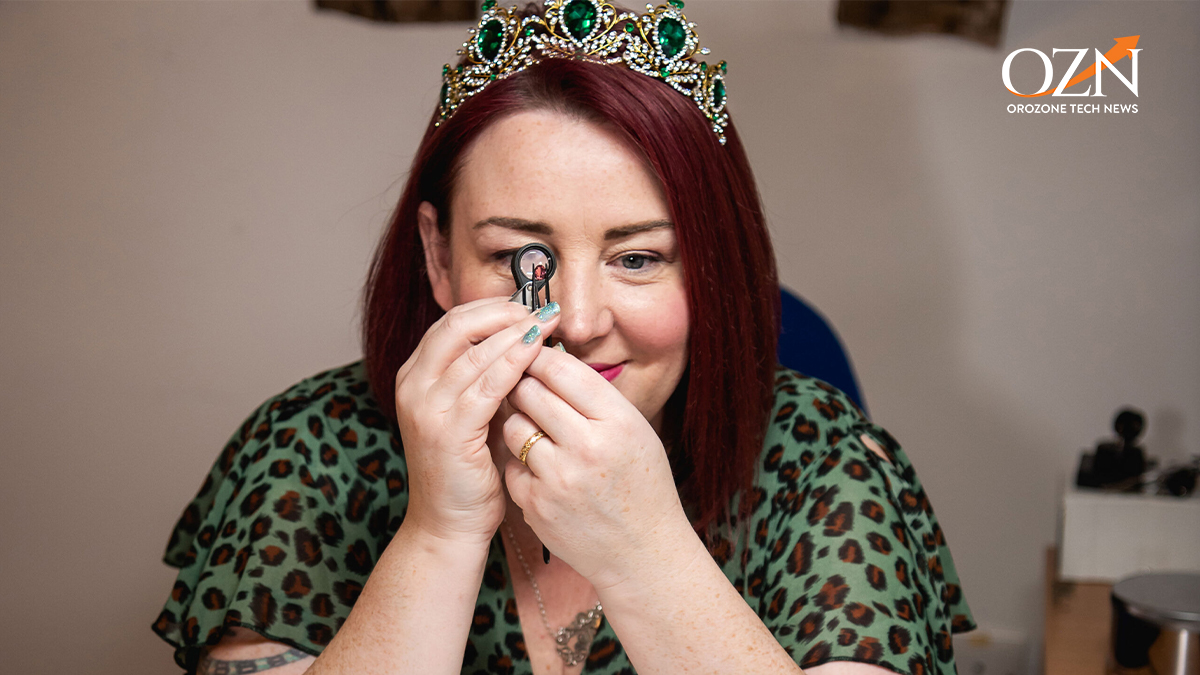
Unvault has also built a selling process for consumers who want to liquidate jewellery. Interested customers can ship items to the company, after which the authentication and evaluation process is filmed. The process includes package opening, gold X-ray testing, diamond testing and final offer evaluation.
Singhvi said the purpose is to bring more transparency to a process that has traditionally depended on jewellers, pawn shops or informal resale channels. Customers can accept the offer or have their jewellery returned.
For the jewellery industry, platforms like Unvault signal a growing shift towards technology-led valuation, asset tracking and resale transparency. As consumers become more aware of jewellery as a financial asset, digital tools may play a larger role in helping them make informed decisions.
At the same time, expert jewellers will continue to remain important in the valuation process. AI may offer speed and convenience, but physical inspection, certification, testing and professional judgement are still critical for accurate pricing, especially for high-value jewellery, branded watches and gemstone pieces.
The development reflects a broader trend in jewellery technology, where AI is being used not only for design and retail personalisation, but also for valuation, resale, inventory tracking and consumer education.
As gold remains strong and resale interest rises, AI-powered jewellery valuation tools could become increasingly relevant. However, the key question for the industry will be how accurately these platforms can combine image recognition, material testing, market pricing and expert verification into a reliable consumer experience.