Shenzhen: China’s jewellery industry is rapidly advancing towards a digitally integrated ecosystem, with artificial intelligence playing a central role across both retail and design functions. The adoption of smart systems is transforming how jewellery businesses operate, combining customer experience, production efficiency, and data-driven decision-making.
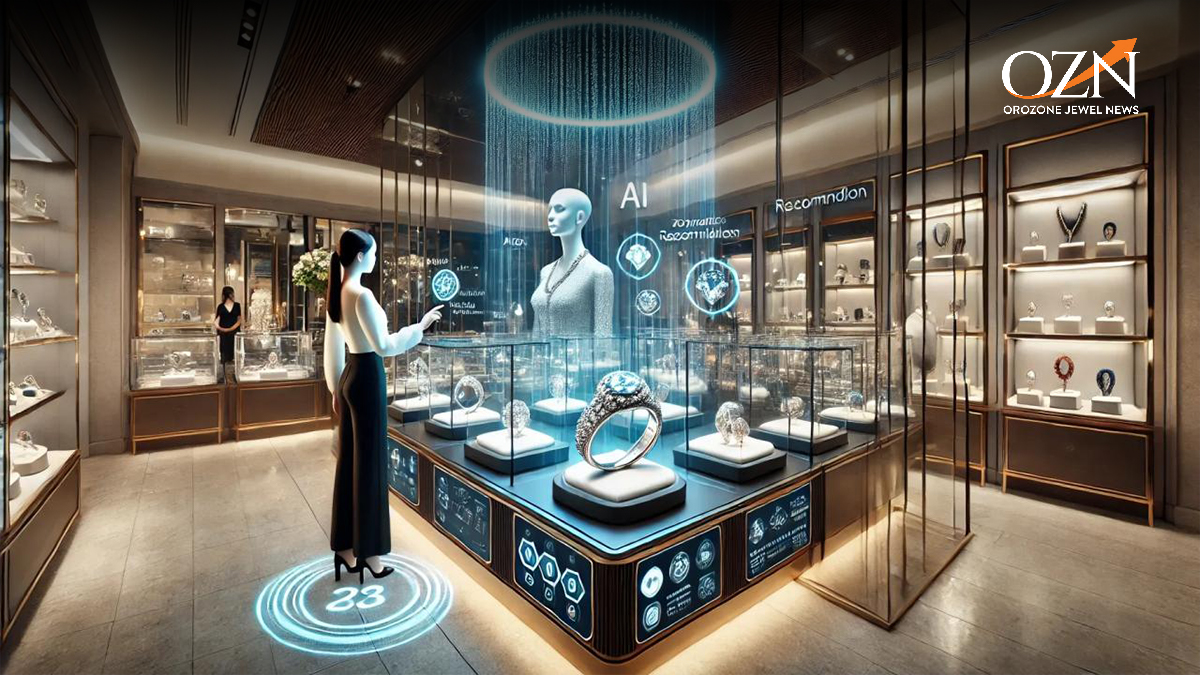
In the retail environment, AI-powered technologies such as virtual try-on systems and interactive displays are becoming increasingly common. These tools allow customers to visualise jewellery in real time, enhancing engagement and improving purchasing confidence. Retailers are using digital interfaces and smart mirrors to create immersive experiences that go beyond traditional selling formats.
On the design side, artificial intelligence is enabling faster and more efficient customisation. AI-integrated CAD systems are capable of analysing design parameters and generating multiple variations based on consumer preferences. This reduces the time required for design development while improving accuracy and consistency. The ability to quickly adapt designs to market demand is becoming a significant competitive advantage.
The integration of AI is also improving backend operations. Businesses are leveraging data analytics to understand customer behaviour, optimise inventory management, and refine product offerings. This data-driven approach allows companies to make informed decisions, reducing inefficiencies and improving overall performance.
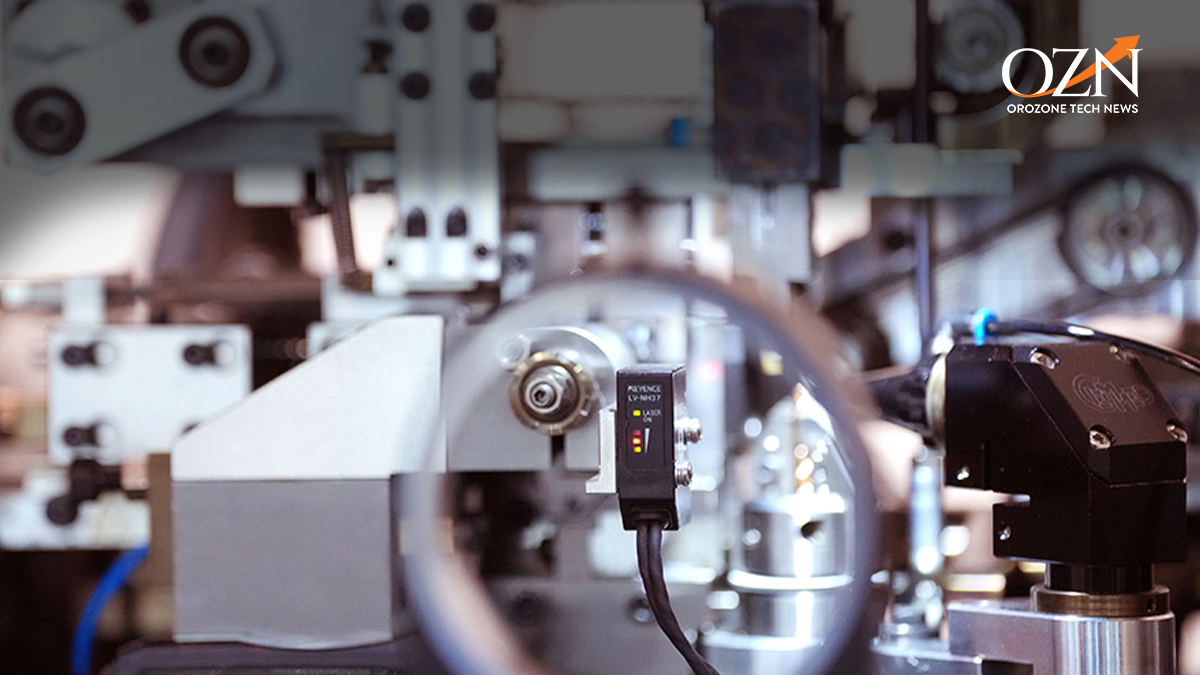
China’s strong manufacturing base further supports this digital transition. The combination of large-scale production capability and rapid adoption of technology enables faster implementation of advanced systems. Manufacturers are able to integrate AI tools directly into their workflows, creating a seamless connection between design, production, and retail.
The increasing focus on personalisation is another driving factor. Consumers are seeking customised jewellery that reflects individual preferences, and AI technologies are helping businesses meet this demand efficiently. By combining design flexibility with production capability, companies are able to deliver tailored products at scale.
While the adoption of AI brings clear advantages, it also requires investment in infrastructure and skill development. Businesses must ensure that teams are equipped to manage and operate advanced systems effectively. However, as technology continues to evolve, these barriers are expected to reduce.
China’s rapid integration of AI across the jewellery value chain highlights a broader industry shift towards digital transformation. The combination of smart retail, advanced design tools, and data-driven operations is shaping a more connected and efficient jewellery ecosystem.
As global markets observe these developments, China’s approach is likely to influence how jewellery businesses worldwide adopt technology in the coming years.
Orozone Tech News