The Look
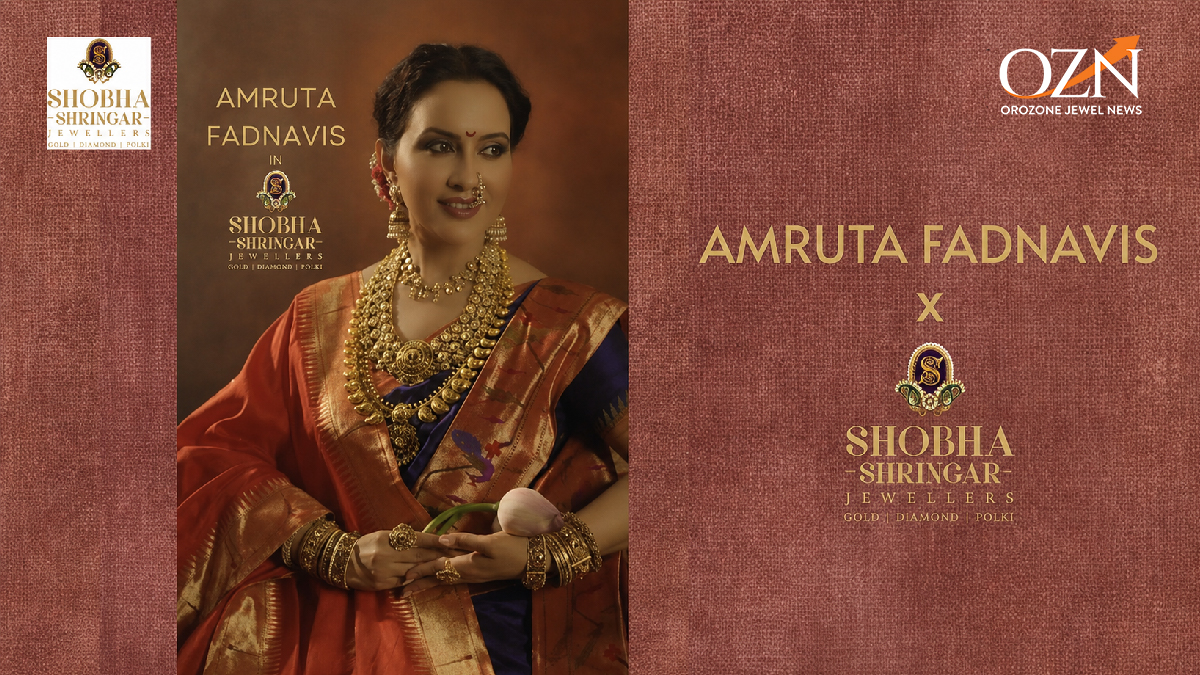
The styling brought together different regional jewellery references, creating a look that felt like a visual archive of Indian royal craftsmanship. Each piece carried its own cultural identity, yet the full ensemble remained balanced and elegant.
To keep the focus on the jewellery, the rest of the styling was kept refined. Amruta completed the look with a red lip, sharp winged eyeliner and a neat updo. The beauty direction added polish without taking attention away from the handcrafted ornaments.
Brand Spotlight
The jewellery was from Shobha Shringar Jewellers, a Mumbai-based luxury jewellery house known for its heritage-led design language. Founded by Shobhana Choksey in 1983, the brand has built a strong reputation for handcrafted jewellery rooted in Indian tradition.
At a time when the fine jewellery space was largely male-dominated, Shobha Shringar grew through trust, word-of-mouth and a clear focus on craftsmanship. Over the years, the brand has developed a loyal clientele for jewellery that carries cultural depth and heirloom appeal.
Today, the house operates from its landmark store in Walkeshwar, Mumbai, and continues to be led by the Choksey family. Under Snehal Choksey and Lead Designer Nisha Choksey, the brand continues to work closely with traditional karigars, creating pieces that are not mass-produced but crafted as one-of-a-kind heirlooms.
The success of this look came from the way the jewellery became the main storytelling element. Against the vibrant Paithani drape, the gold pieces added weight, character and a strong historical presence.
The styling created a cross-regional jewellery narrative by combining Maharashtrian heritage with South Indian temple-inspired elements. Rather than following one single traditional code, the look brought together multiple cultural references in a composed and elegant manner.
The jewellery pieces included a Maratha choker, inspired by 18th-century design language associated with the Maratha Empire. Its close-neck structure added strength and definition to the neckline.
The Mango Mala introduced a classic South Indian heirloom element. Known for its traditional mango-shaped motifs, the necklace added length, rhythm and ornamental richness to the look.
The Vaddanam, a detailed gold waist belt associated with South Indian temple jewellery traditions, helped define the silhouette while adding ceremonial grandeur. Its presence gave the saree styling a more structured and royal finish.
The Maharashtrian Nath completed the regional identity of the look. Adorned with rare Basra pearls, the nath framed the face beautifully and added a recognisable Maharashtrian signature.
What made the styling noteworthy was its ability to bring together jewellery from different regions and periods without making the look feel heavy or disconnected. The pieces worked together because the base styling remained clean and the colour palette stayed rooted in gold, silk and heritage tones.
The final look reflected a larger movement in high-end Indian styling, where regional jewellery traditions are being mixed with greater confidence. By combining Paithani textile heritage with Maratha, Maharashtrian and South Indian jewellery references, Amruta Fadnavis’s look highlighted the continued relevance of handcrafted Indian luxury.